
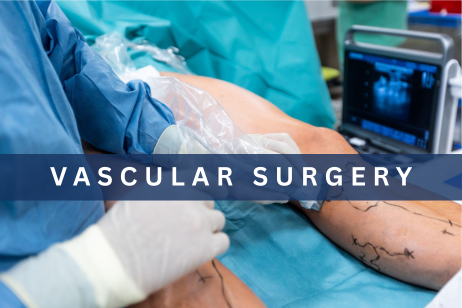
VASCULAR SURGERY
Vascular Surgery is a specialized surgical discipline focused on the diagnosis, treatment, and management of diseases affecting the body's network of arteries, veins, and lymphatic vessels. These conditions can impair blood circulation, leading to pain, swelling, tissue damage, and potentially life-threatening complications such as stroke, aneurysm rupture, or limb loss. Through advanced open surgical techniques, minimally invasive endovascular procedures, and comprehensive vascular care, vascular surgery helps restore healthy blood flow, preserve organ function, and improve overall quality of life.
overview
Vascular Surgery in India
Restoring the Pathways of Life
Every organ, tissue, and cell in the human body depends on a healthy vascular system to receive oxygen and nutrients necessary for survival. This intricate network of arteries, veins, and lymphatic vessels functions as the body's transportation system, continuously circulating blood and maintaining normal physiological processes. When blood vessels become narrowed, blocked, weakened, or damaged, serious health complications can arise, affecting everything from mobility and organ function to overall survival.
Vascular Surgery is the highly specialized field dedicated to the treatment of disorders affecting blood vessels throughout the body, excluding those of the heart and brain that are managed by other specialties. Modern vascular surgeons utilize a combination of advanced surgical expertise, cutting-edge imaging technologies, and minimally invasive techniques to diagnose and treat a wide range of circulatory conditions, helping patients maintain healthy blood flow and prevent life-threatening complications.
Understanding the Vascular System
The vascular system consists of a vast network of blood vessels responsible for transporting blood throughout the body.
These include:
Arteries, which carry oxygen-rich blood from the heart to the body's tissues
Veins, which return oxygen-depleted blood back to the heart
Lymphatic Vessels, which help maintain fluid balance and support immune function
Any disruption in these pathways can impair circulation and lead to significant health concerns that require specialized vascular care.
Conditions Treated by Vascular Surgeons
Vascular surgeons manage a broad spectrum of diseases affecting arteries, veins, and lymphatic vessels.
Peripheral Artery Disease (PAD)
Peripheral Artery Disease occurs when arteries supplying blood to the limbs become narrowed due to plaque buildup, reducing blood flow to muscles and tissues.
Common symptoms include:
Leg Pain While Walking
Numbness or Weakness
Poor Wound Healing
Coldness in the Limbs
Skin Color Changes
Early treatment can help prevent severe complications and improve mobility.
Aortic Aneurysms
An aneurysm develops when a blood vessel wall weakens and expands abnormally. The aorta, the body's largest artery, is particularly susceptible to aneurysm formation.
Types include:
Abdominal Aortic Aneurysm (AAA)
Thoracic Aortic Aneurysm
If left untreated, aneurysms may rupture and become life-threatening emergencies.
Carotid Artery Disease
The carotid arteries supply blood to the brain. Narrowing of these arteries can increase the risk of stroke and transient ischemic attacks (TIAs).
Timely intervention can significantly reduce the likelihood of neurological complications.
Deep Vein Thrombosis (DVT)
DVT occurs when blood clots form in deep veins, most commonly in the legs.
Potential complications include:
Pulmonary Embolism
Chronic Venous Insufficiency
Post-Thrombotic Syndrome
Prompt diagnosis and treatment are essential to prevent serious outcomes.
Varicose Veins and Venous Disorders
Venous diseases affect millions of individuals worldwide and may cause discomfort, swelling, and cosmetic concerns.
Common conditions include:
Varicose Veins
Spider Veins
Chronic Venous Insufficiency
Venous Ulcers
Modern treatment options often involve minimally invasive procedures with rapid recovery.
Diabetic Vascular Disease
Patients with diabetes face an increased risk of circulatory disorders that can affect wound healing and limb preservation.
Vascular specialists play a critical role in managing circulation-related complications and reducing the risk of amputation.
Lymphedema and Lymphatic Disorders
The lymphatic system helps regulate fluid balance and immune function. Disorders affecting lymphatic drainage may result in chronic swelling and discomfort.
Advanced Diagnostic Technologies
Accurate diagnosis is the cornerstone of effective vascular care. Modern vascular specialists rely on advanced imaging techniques to evaluate blood flow and identify vascular abnormalities.
Diagnostic procedures may include:
Doppler Ultrasound
Vascular Ultrasound Studies
CT Angiography
MR Angiography
Digital Subtraction Angiography
Ankle-Brachial Index Testing
Venous Mapping
Circulatory Function Assessment
These technologies enable precise treatment planning and early detection of vascular disease.
Endovascular and Minimally Invasive Treatments
One of the most significant advancements in vascular surgery has been the development of endovascular procedures, which allow specialists to treat many conditions through small punctures rather than large surgical incisions.
Angioplasty and Stenting
These procedures help open narrowed or blocked arteries and restore blood flow using specialized balloons and stents.
Endovascular Aneurysm Repair (EVAR)
EVAR is a minimally invasive approach to treating certain aortic aneurysms, reducing recovery times and surgical risks compared to traditional open surgery.
Catheter-Based Interventions
Advanced catheter techniques are used to treat:
Peripheral Artery Disease
Venous Obstructions
Blood Clots
Vascular Narrowing
Minimally Invasive Vein Treatments
Modern options for venous disease include:
Endovenous Laser Therapy (EVLT)
Radiofrequency Ablation
Sclerotherapy
Ultrasound-Guided Procedures
These treatments often allow patients to return to normal activities quickly.
Complex Open Vascular Surgery
While minimally invasive procedures have become increasingly common, certain complex conditions still require traditional surgical intervention.
Examples include:
Major Arterial Bypass Surgery
Complex Aneurysm Repair
Limb Salvage Procedures
Vascular Reconstruction
Trauma-Related Vascular Surgery
Experienced vascular surgeons determine the most appropriate approach based on each patient's condition and overall health.
The Importance of Early Detection
Many vascular disorders develop gradually and may remain undiagnosed until serious complications occur. Early identification and treatment can significantly improve outcomes and reduce the risk of permanent damage.
Risk factors for vascular disease include:
Diabetes
Smoking
High Blood Pressure
High Cholesterol
Obesity
Family History of Vascular Disease
Advanced Age
Regular screening and preventive care can play a crucial role in protecting vascular health.
Why India is a Leading Destination for Vascular Surgery
India has become a major center for advanced vascular care, offering access to highly skilled vascular surgeons, modern endovascular technologies, and comprehensive treatment programs. Many hospitals are equipped with dedicated vascular centers capable of managing both routine and highly complex vascular conditions.
International patients benefit from:
Experienced Vascular and Endovascular Surgeons
Advanced Angiography and Imaging Facilities
State-of-the-Art Hybrid Operating Rooms
Minimally Invasive Treatment Options
Multidisciplinary Cardiovascular Care Teams
Internationally Accredited Hospitals
High Standards of Clinical Excellence
Cost-Effective Treatment Solutions
These strengths have established India as a trusted destination for patients seeking advanced vascular treatment.
How AYUR HIND Supports International Patients
At AYUR HIND, we understand that vascular disorders can significantly impact mobility, independence, and overall health. Our goal is to connect international patients with leading vascular specialists and advanced healthcare facilities across India that provide comprehensive evaluation and treatment for a wide range of circulatory conditions.
AYUR HIND offers complete support throughout the medical journey, including medical record review, specialist consultations, hospital selection, treatment planning, cost estimation, visa assistance, travel coordination, accommodation arrangements, and post-treatment follow-up services. We are committed to helping patients access world-class vascular care with confidence and peace of mind.
Advancing Circulatory Health for Better Living
A healthy vascular system is essential for maintaining organ function, mobility, and overall well-being. Whether treating peripheral artery disease, aneurysms, venous disorders, blood clots, or complex circulatory conditions, timely intervention can significantly improve outcomes and quality of life. Through AYUR HIND, patients gain access to experienced vascular surgeons and advanced treatment centers in India, receiving comprehensive care designed to restore circulation, prevent complications, and support long-term health.
Expertise Area
Expertise Areas represent specialized medical fields and treatments provided by experienced doctors and healthcare professionals. These services focus on advanced diagnosis, personalized care, and effective treatment to ensure better health outcomes for patients.
- Carotid Endarterectomy
- Peripheral Artery Disease (PAD) Treatment
- Varicose Vein Surgery
- Deep Vein Thrombosis (DVT) Treatment
- Arteriovenous Fistula Creation
- Bypass Surgery for Blocked Arteries
- Endovascular Stenting
- Diabetic Foot Vascular Surgery
- Renal Artery Stenosis Treatment
