
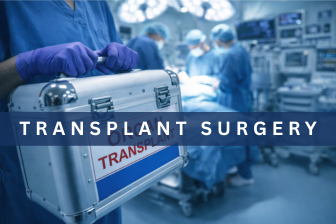
TRANSPLANT SURGERY
Transplant Surgery is a highly specialized field of medicine focused on replacing diseased or failing organs with healthy donor organs to restore function, improve quality of life, and extend survival. Organ transplantation offers life-saving treatment for patients with end-stage organ failure when conventional therapies are no longer effective. From kidney and liver transplants to heart, lung, pancreas, and bone marrow transplantation, this advanced specialty combines surgical expertise, multidisciplinary care, and long-term medical management to help patients achieve healthier and more fulfilling lives.
overview
Transplant Surgery in India
A Second Chance at Life Through Organ Transplantation
For patients facing advanced organ failure, everyday activities can become increasingly difficult as vital organs lose their ability to perform essential functions. In many cases, medications and conventional treatments can help manage symptoms for a period of time, but when organ damage becomes irreversible, transplantation may offer the most effective and life-saving solution. Transplant Surgery is one of the most advanced achievements in modern medicine, providing patients with the opportunity to regain health, restore independence, and significantly improve long-term survival.
Organ transplantation involves replacing a diseased or non-functioning organ with a healthy donor organ. This complex process requires exceptional surgical expertise, sophisticated medical technology, careful donor-recipient matching, and comprehensive post-transplant care. Today, transplant programs around the world have achieved remarkable success rates, enabling thousands of patients to return to active and productive lives.
Understanding Organ Failure
Vital organs work continuously to sustain life. When these organs become severely damaged due to chronic disease, genetic disorders, infections, or injury, their ability to function may decline progressively until transplantation becomes necessary.
Conditions that may lead to organ failure include:
Chronic Kidney Disease
Liver Cirrhosis
Acute Liver Failure
Congenital Organ Disorders
Advanced Heart Disease
End-Stage Lung Disease
Severe Pancreatic Disorders
Certain Blood and Immune System Diseases
Genetic and Metabolic Conditions
For eligible patients, transplantation can provide the best opportunity for long-term recovery and improved quality of life.
Types of Transplant Procedures
Modern transplant surgery encompasses a wide range of life-saving procedures performed by specialized multidisciplinary teams.
Kidney Transplantation
Kidney transplantation is one of the most commonly performed transplant procedures worldwide. It is often recommended for patients with end-stage kidney disease who would otherwise require long-term dialysis.
Potential benefits include:
Improved Quality of Life
Greater Independence
Better Long-Term Health Outcomes
Reduced Dependence on Dialysis
Liver Transplantation
The liver possesses a unique ability to regenerate, making both living donor and deceased donor liver transplantation possible.
Common indications include:
Liver Cirrhosis
Acute Liver Failure
Liver Cancer
Metabolic Liver Disorders
Chronic Hepatitis-Related Liver Disease
Heart Transplantation
Heart transplantation may be considered for patients with severe heart failure when other treatments have been exhausted.
Conditions may include:
Advanced Cardiomyopathy
End-Stage Heart Failure
Certain Congenital Heart Diseases
Lung Transplantation
Patients with severe lung diseases that significantly impair breathing and oxygen delivery may benefit from lung transplantation.
Examples include:
Pulmonary Fibrosis
Chronic Obstructive Pulmonary Disease (COPD)
Cystic Fibrosis
Pulmonary Hypertension
Pancreas and Combined Organ Transplants
Specialized centers may perform pancreas transplantation and combined procedures such as kidney-pancreas transplantation for selected patients.
Bone Marrow and Stem Cell Transplantation
Although different from solid organ transplantation, bone marrow and stem cell transplantation are essential treatments for many blood disorders and cancers.
These may be used for:
Leukemia
Lymphoma
Multiple Myeloma
Aplastic Anemia
Certain Genetic Blood Disorders
The Transplant Journey: A Comprehensive Process
Successful transplantation extends far beyond the surgical procedure itself. It requires careful planning, extensive evaluation, and long-term medical support.
Pre-Transplant Assessment
Patients undergo a comprehensive evaluation to determine eligibility and optimize outcomes.
Assessments may include:
Medical Examinations
Laboratory Testing
Organ Function Evaluation
Imaging Studies
Psychological Assessment
Nutritional Evaluation
Multidisciplinary Specialist Consultations
Donor Matching and Compatibility Testing
Advanced testing helps ensure compatibility between donor and recipient, reducing the risk of rejection and improving transplant success.
Surgical Procedure
Transplant surgeries are performed by highly trained specialists using advanced surgical techniques and sophisticated operating room technology.
Post-Transplant Recovery
After surgery, patients require close monitoring and specialized medical care to support recovery and maintain long-term organ function.
Life After Transplantation
A successful transplant can dramatically improve a patient's quality of life, but ongoing medical care remains essential.
Post-transplant management typically includes:
Immunosuppressive Medication Management
Regular Follow-Up Assessments
Infection Prevention Strategies
Nutritional Counseling
Rehabilitation Programs
Long-Term Health Monitoring
With proper care and adherence to treatment plans, many transplant recipients lead active and productive lives for years after surgery.
Advances in Modern Transplant Medicine
Continuous advancements in transplant science have improved outcomes, increased survival rates, and expanded treatment possibilities for patients with complex conditions.
Innovations include:
Enhanced Donor Matching Techniques
Advanced Immunosuppressive Therapies
Minimally Invasive Surgical Approaches
Living Donor Transplant Programs
Improved Organ Preservation Technologies
Personalized Post-Transplant Care
These developments continue to make transplantation safer and more successful than ever before.
Why India is a Global Leader in Transplant Surgery
India has emerged as one of the world's leading destinations for organ transplantation, offering internationally recognized transplant programs, highly experienced surgeons, and advanced healthcare infrastructure. Many Indian hospitals perform large volumes of complex transplant procedures with outcomes comparable to leading global centers.
International patients choose India because of:
Highly Experienced Transplant Surgeons
Advanced Organ Transplant Programs
Specialized Multidisciplinary Teams
Modern Intensive Care Facilities
State-of-the-Art Surgical Technology
Comprehensive Living Donor Programs
Internationally Accredited Hospitals
Cost-Effective Treatment Compared to Many Countries
These advantages have made India a trusted destination for patients seeking world-class transplant care.
How AYUR HIND Supports International Patients
At AYUR HIND, we understand that transplantation is one of the most significant medical decisions a patient and family can face. Our role is to help patients navigate every stage of the transplant journey by connecting them with leading transplant centers and experienced specialists across India.
AYUR HIND provides comprehensive support that includes medical record evaluation, transplant eligibility guidance, specialist consultations, hospital selection, treatment planning, cost estimation, visa assistance, travel coordination, accommodation arrangements, donor-related support where applicable, and post-treatment follow-up. Our dedicated team works closely with patients and healthcare providers to ensure a seamless and compassionate treatment experience.
Restoring Hope Through Advanced Transplant Care
Transplant surgery represents one of the greatest achievements in modern medicine, offering renewed hope to patients living with end-stage organ failure and life-threatening diseases. Whether requiring a kidney, liver, heart, lung, pancreas, or stem cell transplant, access to expert care can transform lives and create new opportunities for health and recovery. Through AYUR HIND, patients gain access to some of India's most advanced transplant programs, helping them take an important step toward a healthier future and a renewed quality of life.
Expertise Area
Expertise Areas represent specialized medical fields and treatments provided by experienced doctors and healthcare professionals. These services focus on advanced diagnosis, personalized care, and effective treatment to ensure better health outcomes for patients.
- Liver Transplant
- Kidney Transplant
- Intestinal Transplant
- Lung Transplant
- Pancreas Transplant
- Multi-Organ Transplant
- Cornea Transplant
- Skin Transplant (Grafting)
