
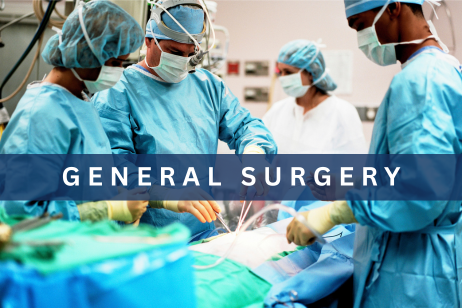
GENERAL SURGERY
General Surgery is a broad surgical specialty focused on the diagnosis, operative treatment, and management of a wide range of conditions affecting the abdomen, digestive tract, soft tissues, endocrine organs, and other parts of the body. General surgeons are trained to perform both routine and complex procedures, utilizing advanced surgical techniques, including minimally invasive and laparoscopic approaches, to treat diseases, injuries, infections, and tumors. Through comprehensive surgical care, patients benefit from effective treatment, faster recovery, and improved long-term health outcomes.
overview
General Surgery in India
The Foundation of Modern Surgical Care
General Surgery is one of the most versatile and essential specialties in modern medicine, serving as the foundation upon which many advanced surgical disciplines have evolved. General surgeons are highly trained specialists who diagnose, evaluate, and treat a diverse range of medical conditions requiring surgical intervention. Their expertise extends beyond the operating room, encompassing patient assessment, preoperative planning, surgical treatment, postoperative care, and long-term recovery management.
From emergency procedures and trauma care to planned operations for digestive disorders, hernias, tumors, and endocrine diseases, general surgery plays a vital role in restoring health and improving quality of life. Advances in surgical technology, anesthesia, imaging, and minimally invasive techniques have significantly enhanced the safety and effectiveness of surgical treatment, allowing patients to recover faster with fewer complications.
What Does General Surgery Cover?
General surgery encompasses a broad range of procedures involving multiple organ systems and medical conditions. General surgeons are often the first specialists consulted when surgery is required and frequently collaborate with physicians from various disciplines to provide comprehensive care.
Areas commonly treated by general surgeons include:
Gastrointestinal Disorders
Hernias
Gallbladder Diseases
Appendiceal Conditions
Thyroid and Parathyroid Disorders
Soft Tissue Tumors
Breast Conditions
Abdominal Infections
Trauma and Emergency Surgical Conditions
Skin and Soft Tissue Lesions
Colorectal Disorders
Endocrine Surgical Conditions
This wide scope makes general surgery one of the most important specialties within healthcare systems worldwide.
Conditions Commonly Managed by General Surgeons
General surgeons treat both acute and chronic conditions that may require surgical intervention.
Hernias
Hernias occur when an internal organ or tissue protrudes through a weakened area of muscle or connective tissue.
Common types include:
Inguinal Hernia
Umbilical Hernia
Incisional Hernia
Femoral Hernia
Hiatal Hernia
Surgical repair helps relieve symptoms and prevent serious complications.
Gallbladder Disorders
Gallstones and gallbladder inflammation are among the most frequently treated surgical conditions.
Procedures may be recommended for:
Gallstones
Cholecystitis
Biliary Colic
Gallbladder Polyps
Appendiceal Conditions
Appendicitis is a common surgical emergency requiring prompt treatment to prevent rupture and infection.
Gastrointestinal Disorders
General surgeons manage a variety of digestive tract conditions, including:
Intestinal Obstruction
Gastrointestinal Tumors
Diverticular Disease
Colorectal Conditions
Gastroesophageal Disorders
Benign and Malignant Digestive Diseases
Thyroid and Endocrine Disorders
Certain endocrine conditions may require surgical management, including:
Thyroid Nodules
Goiter
Thyroid Cancer
Hyperparathyroidism
Soft Tissue and Skin Lesions
General surgeons frequently perform procedures for:
Lipomas
Cysts
Abscesses
Skin Tumors
Benign Soft Tissue Growths
Emergency and Trauma Surgery
One of the defining aspects of general surgery is its critical role in emergency medical care. General surgeons are often responsible for treating life-threatening conditions that require immediate intervention.
Examples include:
Acute Appendicitis
Perforated Ulcers
Internal Bleeding
Abdominal Trauma
Bowel Obstruction
Severe Infections
Emergency Hernia Complications
Prompt surgical treatment can be lifesaving and significantly improve patient outcomes.
The Rise of Minimally Invasive Surgery
Modern general surgery has been transformed by minimally invasive techniques that allow surgeons to perform procedures through small incisions using specialized instruments and high-definition cameras.
Laparoscopic Surgery
Laparoscopic procedures have become the preferred approach for many common operations.
Benefits may include:
Smaller Incisions
Reduced Pain
Less Blood Loss
Lower Risk of Infection
Faster Recovery
Shorter Hospital Stays
Minimal Scarring
Common laparoscopic procedures include gallbladder removal, hernia repair, appendectomy, and colorectal surgery.
Advanced Surgical Technologies
Many leading surgical centers now integrate advanced technologies such as:
High-Definition Imaging Systems
Energy-Based Surgical Devices
Robotic-Assisted Surgery
Enhanced Recovery Protocols
These innovations continue to improve surgical precision and patient outcomes.
Patient-Centered Surgical Care
Successful surgery involves much more than the procedure itself. Comprehensive surgical care focuses on every stage of the patient's journey.
Preoperative Evaluation
Before surgery, patients undergo detailed assessments that may include:
Medical History Review
Physical Examination
Laboratory Investigations
Imaging Studies
Anesthesia Assessment
Surgical Planning
Postoperative Recovery
Following surgery, specialized care focuses on:
Pain Management
Wound Care
Early Mobilization
Nutritional Support
Rehabilitation
Follow-Up Monitoring
This comprehensive approach promotes smoother recovery and reduces the risk of complications.
Why India is a Leading Destination for General Surgery
India has become a preferred destination for patients seeking high-quality surgical care due to its advanced healthcare infrastructure, internationally trained surgeons, and comprehensive treatment programs. Hospitals across the country perform a wide range of routine and highly complex surgical procedures using modern technologies and evidence-based practices.
International patients benefit from:
Experienced General Surgeons
Advanced Laparoscopic and Minimally Invasive Techniques
Modern Surgical Facilities
Multidisciplinary Care Teams
Internationally Accredited Hospitals
Comprehensive Diagnostic Services
High Standards of Patient Safety
Cost-Effective Treatment Options
These advantages have made India a trusted destination for surgical treatment across a broad range of conditions.
How AYUR HIND Supports International Patients
At AYUR HIND, we understand that undergoing surgery can be a significant decision for patients and their families. Our mission is to help international patients access leading surgical specialists and world-class healthcare facilities across India while ensuring a smooth and coordinated treatment experience.
AYUR HIND provides comprehensive support, including medical record review, specialist consultations, hospital recommendations, treatment planning, cost estimation, visa assistance, travel coordination, accommodation arrangements, and post-treatment follow-up services. Our dedicated team works closely with patients throughout every stage of their medical journey to ensure personalized care and peace of mind.
Expert Surgical Care for Better Health
General surgery remains one of the most important pillars of modern healthcare, providing effective treatment for a wide variety of medical conditions that impact daily life and long-term well-being. Whether addressing digestive disorders, hernias, gallbladder disease, endocrine conditions, trauma, or emergency surgical problems, timely intervention by experienced surgeons can significantly improve outcomes. Through AYUR HIND, patients gain access to leading general surgeons and advanced healthcare facilities in India, receiving comprehensive care designed to restore health, support recovery, and improve quality of life.
Expertise Area
Expertise Areas represent specialized medical fields and treatments provided by experienced doctors and healthcare professionals. These services focus on advanced diagnosis, personalized care, and effective treatment to ensure better health outcomes for patients.
- Laparoscopic Surgery
- Hernia Repair
- Appendectomy
- Gallbladder Removal (Cholecystectomy)
- Colorectal Surgery
- Thyroid Surgery
- Hemorrhoid Surgery
- Breast Surgery (Lumpectomy/Mastectomy)
- Splenectomy
- Fistula & Fissure Surgery
