
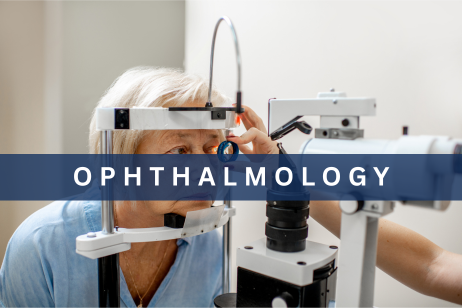
OPHTHALMOLOGY
Vision is one of the most vital senses, influencing every aspect of daily life, from learning and working to mobility and independence. Ophthalmology is the specialized field of medicine dedicated to the diagnosis, treatment, and prevention of eye diseases and vision disorders. From common conditions such as cataracts and refractive errors to complex retinal diseases, glaucoma, and corneal disorders, modern ophthalmic care combines advanced diagnostics and innovative treatments to preserve, restore, and enhance vision, helping patients maintain long-term eye health and a better quality of life.
overview
Ophthalmology Treatment in India
Preserving and Restoring the Gift of Sight
Vision plays a fundamental role in how people experience the world. Healthy eyesight is essential for education, employment, communication, mobility, and overall quality of life. Ophthalmology is the branch of medicine dedicated to the care of the eyes and visual system, focusing on the prevention, diagnosis, treatment, and management of a wide range of eye conditions that can affect vision at any stage of life.
Advancements in ophthalmic medicine and surgical technology have revolutionized eye care, making it possible to diagnose diseases earlier, treat complex conditions more effectively, and restore vision in patients who may have previously faced permanent visual impairment. Whether addressing age-related eye disorders, congenital conditions, traumatic injuries, or chronic diseases affecting vision, specialized ophthalmic care can significantly improve both visual outcomes and overall well-being.
Understanding Eye Disorders and Vision Problems
Eye diseases can develop gradually or suddenly and may affect individuals of all ages. While some conditions cause minor discomfort, others can lead to significant vision loss or blindness if left untreated.
Common conditions treated in ophthalmology include:
Cataracts
Glaucoma
Retinal Detachment
Diabetic Retinopathy
Age-Related Macular Degeneration (AMD)
Refractive Errors (Myopia, Hyperopia, Astigmatism)
Corneal Disorders
Keratoconus
Dry Eye Syndrome
Uveitis
Retinal Vein Occlusion
Pediatric Eye Disorders
Strabismus (Squint)
Amblyopia (Lazy Eye)
Ocular Trauma and Eye Injuries
Optic Nerve Disorders
Eyelid and Lacrimal System Disorders
Early diagnosis and timely treatment are critical in preventing disease progression and preserving visual function.
Advanced Diagnostic Technologies in Ophthalmology
Modern ophthalmology relies on highly sophisticated diagnostic tools that allow specialists to detect eye diseases with exceptional precision, often before symptoms become noticeable.
Diagnostic evaluations may include:
Comprehensive Eye Examination
Visual Acuity Testing
Refraction Assessment
Optical Coherence Tomography (OCT)
Fundus Photography
Fluorescein Angiography
Corneal Topography
Visual Field Analysis
Tonometry for Glaucoma Screening
Retinal Imaging
Ultrasound Biomicroscopy
Pachymetry
Slit-Lamp Examination
These advanced diagnostic techniques help ophthalmologists develop personalized treatment strategies and monitor disease progression effectively.
Specialized Treatments for Eye Conditions
Ophthalmology encompasses both medical and surgical treatments designed to address a broad spectrum of vision-related conditions.
Cataract Surgery
Cataracts are among the leading causes of vision impairment worldwide. Modern cataract surgery involves removing the clouded natural lens and replacing it with an artificial intraocular lens (IOL), helping restore clear vision and improve daily functioning.
Glaucoma Management
Glaucoma is a progressive eye disease that damages the optic nerve and can result in irreversible vision loss. Treatment options may include medications, laser procedures, and surgical interventions aimed at reducing intraocular pressure and protecting vision.
Retinal Treatments
Retinal diseases require highly specialized care due to the retina's critical role in visual processing. Treatment options may include laser therapy, intravitreal injections, retinal surgery, and advanced vitreoretinal procedures to preserve and restore sight.
Corneal Treatments
The cornea is responsible for focusing light entering the eye. Conditions affecting the cornea may be treated through medications, specialized procedures, corneal cross-linking, or corneal transplantation when necessary.
Refractive Vision Correction
Patients seeking freedom from glasses or contact lenses may benefit from advanced refractive procedures such as LASIK, SMILE, PRK, and other laser vision correction techniques designed to improve visual clarity.
Pediatric Ophthalmology and Children's Eye Care
Children require specialized eye care to ensure proper visual development. Early detection of vision problems can prevent long-term complications and support healthy learning and development.
Pediatric ophthalmology services may address:
Congenital Eye Disorders
Lazy Eye (Amblyopia)
Squint (Strabismus)
Refractive Errors
Pediatric Cataracts
Genetic Eye Conditions
Eye Infections and Injuries
Timely intervention during childhood can significantly improve visual outcomes and support lifelong eye health.
The Importance of Preventive Eye Care
Many serious eye diseases develop without noticeable symptoms during their early stages. Routine eye examinations play a crucial role in identifying problems before vision becomes permanently affected.
Preventive eye care may include:
Regular Eye Screenings
Diabetic Eye Examinations
Glaucoma Screening
Age-Related Vision Monitoring
Occupational Eye Health Assessments
Vision Correction Evaluations
Eye Health Education and Counseling
Proactive eye care helps reduce the risk of preventable vision loss and supports long-term ocular health.
Why India is a Leading Destination for Ophthalmology Treatment
India has become a globally recognized center for advanced eye care, attracting patients from around the world seeking high-quality treatment at competitive costs. Leading ophthalmology hospitals and eye institutes offer cutting-edge technology, experienced specialists, and comprehensive treatment programs for both routine and highly complex eye conditions.
International patients benefit from:
Highly Skilled Ophthalmologists and Eye Surgeons
Advanced Laser and Microsurgical Technologies
Specialized Retina, Cornea, and Glaucoma Centers
Comprehensive Pediatric Ophthalmology Services
Internationally Accredited Healthcare Facilities
Personalized Treatment Plans
Affordable Treatment Costs
High Standards of Patient Safety and Care
These advantages make India an attractive destination for patients seeking reliable and effective vision care solutions.
How AYUR HIND Supports International Patients
At AYUR HIND, we understand the life-changing impact that vision restoration and eye care can have on patients and their families. Our mission is to connect international patients with leading ophthalmologists, specialized eye hospitals, and advanced treatment facilities across India.
AYUR HIND offers end-to-end assistance, including medical case evaluation, hospital recommendations, appointment scheduling, treatment planning, cost estimates, travel arrangements, visa support, accommodation assistance, and post-treatment follow-up coordination. We work closely with trusted healthcare providers to ensure that patients receive personalized care and a seamless medical travel experience.
See the World with Greater Clarity
Healthy vision is essential for living an active, independent, and fulfilling life. Whether seeking treatment for cataracts, glaucoma, retinal diseases, corneal disorders, or refractive vision problems, access to specialized ophthalmic care can make a profound difference. Through AYUR HIND, patients can connect with world-class eye care specialists and advanced healthcare facilities in India, gaining access to comprehensive treatments designed to protect, restore, and enhance vision for years to come.
Expertise Area
Expertise Areas represent specialized medical fields and treatments provided by experienced doctors and healthcare professionals. These services focus on advanced diagnosis, personalized care, and effective treatment to ensure better health outcomes for patients.
- Cataract Surgery
- LASIK Eye Surgery
- Glaucoma Treatment
- Retinal Detachment Surgery
- Corneal Transplant
- Squint (Strabismus) Surgery
- Diabetic Retinopathy Treatment
- Macular Degeneration Treatment
- Pterygium Surgery
- Vitrectomy
